

New World Screwworm: What Tampa Bay Pet Owners Should Know
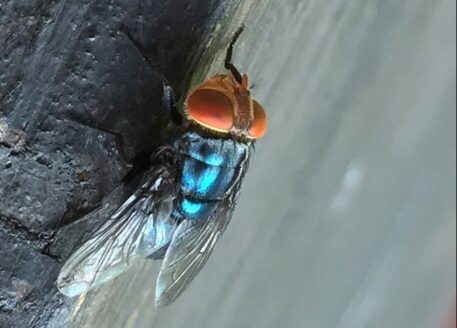
You may have seen recent headlines about the New World screwworm and Florida’s emergency response. While the news may sound alarming, the current risk to pets in Florida remains very low and SPCA Tampa Bay is monitoring the situation closely.
The animals in our care are healthy and protected through standard care procedures, intake and veterinary protocols. It’s important that pet owners have clear, practical information about what New World screwworm is, why state officials are taking precautions and what signs to watch for in your pet.
What is New World screwworm?
New World screwworm is not actually a worm. It refers to the larvae, or maggots, of a parasitic fly. Female flies lay eggs near wounds or other openings, and the larvae burrow into the tissue, which is how the parasite gets its name.
Larvae can enter animals through open wounds and feed on living tissue, which can make an infection serious and potentially fatal if not treated quickly.
New World screwworm can affect warm-blooded animals, including livestock, wildlife and pets.
Can my pet catch it here in Florida?
The risk to pets in Florida is currently very low. As of June 25, 2026, there are no confirmed detections in Florida. The animals most at risk are those with untreated open wounds, especially if they have traveled from or been brought in from an area where New World screwworm is currently present.
Florida has restricted certain animals entering the state from impacted areas to help prevent the parasite from spreading in the state.
What signs should pet owners watch for?
Pet owners should check their pets regularly for cuts, scratches or wounds, especially if they spend time outdoors. Contact your veterinarian if you notice:
- Visible maggots or eggs in or around a wound
- A wound that is growing, draining or not healing
- A foul odor from a wound
- Swelling, pain or signs of discomfort
- Unusual behavior, lethargy or loss of appetite
What can pet owners do now?
The best thing pet owners can do is continue routine care. Check your pet for wounds, keep any cuts or scratches clean and contact your veterinarian quickly if something is unusual.
Do not try to remove larvae or treat a suspected infection at home. New World screwworm requires veterinary care, and early treatment is important.
What is SPCA Tampa Bay doing?
SPCA Tampa Bay’s team continues to follow animal care, intake and monitoring protocols to keep animals safe. We continue to follow guidance from state and federal animal health officials and share updates if there’s information local pet owners need to know.
By staying informed, checking pets regularly and seeking veterinary care when needed, Tampa Bay pet owners can help keep their animals safe and healthy.
To see how these changes are affecting the local community, FOX 13 Tampa Bay spoke with local shelters and rescue groups about what the new restrictions mean for their work., The segment explains why Florida moved quickly to limit animal transport from affected states and how organizations across the Bay area are adjusting their intake practices to keep animals safe. Watch the full segment: FOX 13 Video
Traveling with your pet this summer?
Because Florida’s current restrictions focus on animals coming from areas where New World Screwworm has been detected, summer travel is a good time to plan ahead. If you are bringing a pet into Florida from another state, especially Texas or New Mexico, check the latest requirements before you go. Some animals from affected areas now need a veterinary inspection and documentation showing they have been treated for the parasite.
A few simple steps can make travel easier and keep your pet protected:
- Give your pet a quick once-over for cuts or scratches before any trip, and address any open wounds with your veterinarians
- Keep your pet vaccination and health records handy while traveling
- Confirm current rules with your vet or the Florida Department of Agriculture and Consumer Services at FDACS.gov/NWS if you are adopting or transporting an animal across state lines.
These precautions are not meant to discourage travel. They are simply a smart way to keep your pet healthy and help protect animals across Florida.